Hearing aids are designed to support your hearing needs, but those needs can change over time. If sounds like children’s voices or birds singing in Leif Erickson Park seem less clear than they once were, you may be wondering if your current devices are still the right fit.
Let’s look at why your hearing aids might not be offering the same sound they used to and how to know if it’s time for an upgrade.
Hearing Loss Is Not Always Static
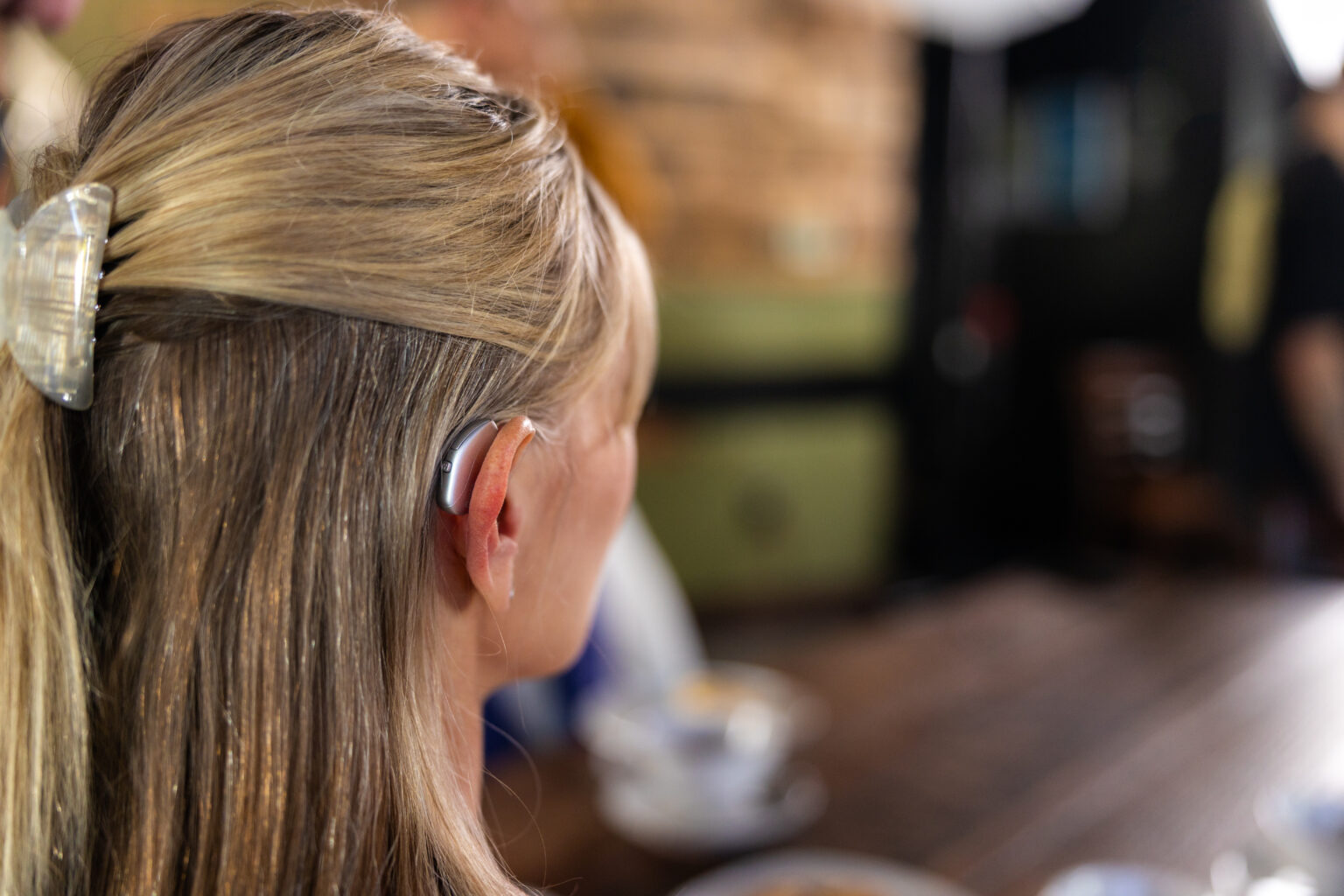
Hearing can change gradually due to aging, noise exposure and other factors. Even minor shifts in hearing ability can affect how well speech and everyday sounds come through your hearing aids.
That’s why routine hearing evaluations remain important, even after you’ve been successfully wearing hearing aids for years.
Your Current Devices May Simply Need Updating
A hearing care professional can recalibrate your devices to better address changes in hearing sensitivity, improving speech understanding and listening comfort. In many cases, these adjustments restore performance without requiring new equipment.
When Replacement Is Worth Considering
There are situations where upgrading becomes the better long-term solution.
Today’s hearing aids offer features that may not have been available when you got your last pair, including enhanced speech processing, wireless streaming and sophisticated background noise management. Your hearing loss can also progress past what your devices can accommodate, though that usually only happens if you started with smaller in-the-canal devices. If your hearing loss has progressed beyond the capabilities of your current devices, a different style or technology level may provide better results. Finally, ongoing maintenance requirements may indicate replacement is more practical than continued repairs.
Take the Next Step
The only way to know whether your hearing aids still meet your needs is through a professional hearing test and device inspection. A hearing test and hearing aid inspection can reveal whether a programming adjustment is sufficient or if newer technology would provide better results.
Contact Hearing Wellness Center to schedule your hearing test and hearing aid repair & service appointment.
Sources
National Institute on Deafness and Other Communication Disorders. (2023, March 17). Age-related hearing loss (presbycusis). https://www.nidcd.nih.gov/health/age-related-hearing-loss
National Institute on Deafness and Other Communication Disorders. (2025, April 16). Noise-induced hearing loss (NIHL). https://www.nidcd.nih.gov/health/noise-induced-hearing-loss